
There is no single detailing interval that fits every RV out there, and the factors that matter most are somewhat different from what drives the decision for a typical passenger vehicle. Storage conditions, travel frequency, and sheer exterior surface area all play a bigger role for an RV than they do for a car, simply because of how much more there is to maintain and how differently RVs tend to get used throughout the year compared to a vehicle that’s driven daily.
This guide walks through the real, practical considerations that should shape an RV detailing schedule, rather than applying passenger-vehicle logic to a genuinely different kind of vehicle with its own particular maintenance challenges and its own particular rhythm of use.
Why RVs Face a Different Maintenance Equation
An RV’s exterior surface area dwarfs that of a typical car or truck — the roof alone represents a substantial cleaning job that a passenger vehicle simply doesn’t have to account for. That scale changes the practical calculus around maintenance in a few real ways: a full DIY wash takes considerably longer and requires different equipment (ladders, extended-reach tools, and enough water and time to actually cover the whole vehicle properly), and skipping sections because they’re hard to reach becomes a real risk in a way it isn’t for a sedan parked in a driveway. Professional detailing addresses that scale directly, bringing the equipment and time genuinely needed to cover an RV properly rather than leaving parts of it under-maintained simply because they were inconvenient or physically difficult to reach on your own.
There’s also a safety dimension worth mentioning honestly and directly. Climbing onto an RV roof or working from a ladder at height to reach upper exterior surfaces carries real risk for someone without the right equipment or experience doing it regularly. That’s not meant to discourage capable owners from handling routine maintenance themselves, but it is a genuine, real factor in why many RV owners eventually decide professional service makes more sense than continuing to do the entire job solo.
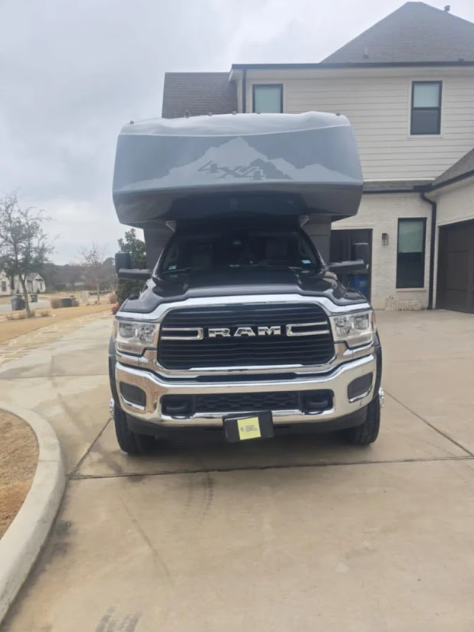
Storage Conditions Matter More for RVs Than for Cars
Many RVs spend significant, extended stretches of time in storage between trips, which introduces maintenance considerations that a daily-driven car doesn’t really face in the same way. A vehicle sitting in one place for weeks or months accumulates dust, pollen, and organic contamination differently than one that’s driven and exposed to changing conditions regularly — sometimes more slowly overall, but often more evenly across the entire surface, since there’s no regular driving to naturally dislodge loose debris the way normal road use would for a car. A layer of dust that would get partially blown off a car during a highway drive just settles and accumulates on a parked RV instead.
Outdoor storage adds sustained sun exposure on top of that, which matters considerably in Arlington and Mansfield’s hot summer climate. An RV parked outside for an extended stretch is absorbing that heat and UV exposure the entire time, on every exterior surface, whether or not the vehicle is actually being used. That sustained exposure can accelerate fading, oxidation, and general material wear on exterior surfaces at a rate that surprises owners who assume an unused, parked vehicle isn’t really “doing” anything and therefore doesn’t need attention during that downtime.
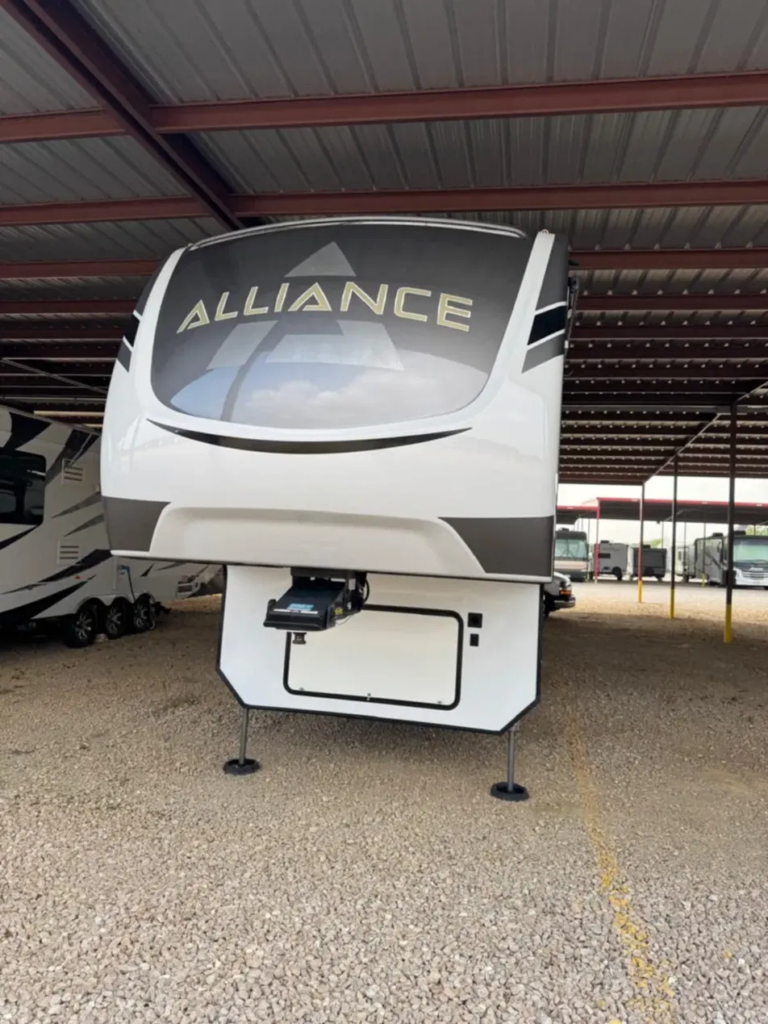
Travel Frequency and Seasonal Use
RVs used seasonally — heavily during travel months, then stored for extended periods — have a genuinely different maintenance rhythm than one used more consistently throughout the year. A seasonal-use RV benefits from real attention both before a travel season begins (addressing whatever accumulated during storage) and after it ends (addressing road exposure, bug residue, and general travel grime before the vehicle goes back into storage for months). Leaving either end of that cycle unaddressed tends to compound the next season’s maintenance need rather than resolving it, since contamination that sits through an entire off-season can become considerably harder to remove than contamination addressed promptly.
Frequent, shorter-trip RV use follows a rhythm closer to what a passenger vehicle experiences, just at a considerably larger physical scale. An RV that’s out on the road regularly accumulates road grime and travel-related contamination steadily, which argues for a more consistent maintenance schedule rather than the concentrated before-and-after approach that makes more sense for a purely seasonal traveler who only takes the RV out a handful of times a year.
RV Usage Scenarios and Relevant Considerations
| RV Usage / Storage Scenario | Relevant Consideration | Why |
|---|---|---|
| Long-term outdoor storage | Periodic exterior attention even without travel | Sustained sun and dust exposure accumulate regardless of whether the RV is being driven |
| Seasonal traveler | Attention before and after the travel season | Storage buildup and travel-related grime are genuinely different maintenance needs |
| Frequent short trips | More consistent, regular attention | Frequent use accumulates road exposure similarly to a daily-driven vehicle, just at RV scale |
| Covered or indoor storage | Lower urgency, but not zero | Reduced sun and weather exposure still doesn’t eliminate dust and general settling |
| New RV owner | Establishing a maintenance routine early | Getting ahead of contamination buildup is easier than catching up on months of neglect later |
These are general patterns based on how RVs are typically used and stored — the right interval for your specific RV depends on your actual travel and storage pattern, and on how much of that pattern is genuinely predictable from one year to the next versus something that shifts based on schedule, weather, or simply how much you end up traveling in a given season.
Why Mobile Service Fits RV Maintenance Especially Well
The logistics of getting an RV somewhere for service are genuinely more involved than driving a car to a shop — RVs are harder to maneuver, may not fit typical service bays, and towing or driving one anywhere just for a wash adds a real logistical step most owners would rather avoid entirely. At-location service removes that friction by bringing professional attention to wherever the RV is already parked or stored, whether that’s a driveway, a storage facility, or a campsite between legs of a trip. For a vehicle this size, that convenience factor tends to matter even more than it does for a typical passenger car, simply because the alternative — moving the RV specifically for service — is a bigger undertaking to begin with, often requiring advance planning just to get the vehicle to a shop in the first place.
This convenience factor compounds when you consider how RVs are actually stored. A vehicle sitting at a remote storage facility, rather than in a home driveway, adds yet another layer of logistical friction to any plan that requires driving it somewhere else for service. Mobile service sidesteps that entirely by meeting the RV at its actual storage location, which can mean the difference between maintenance actually happening on a reasonable schedule versus getting pushed off indefinitely because the logistics felt like too much trouble.
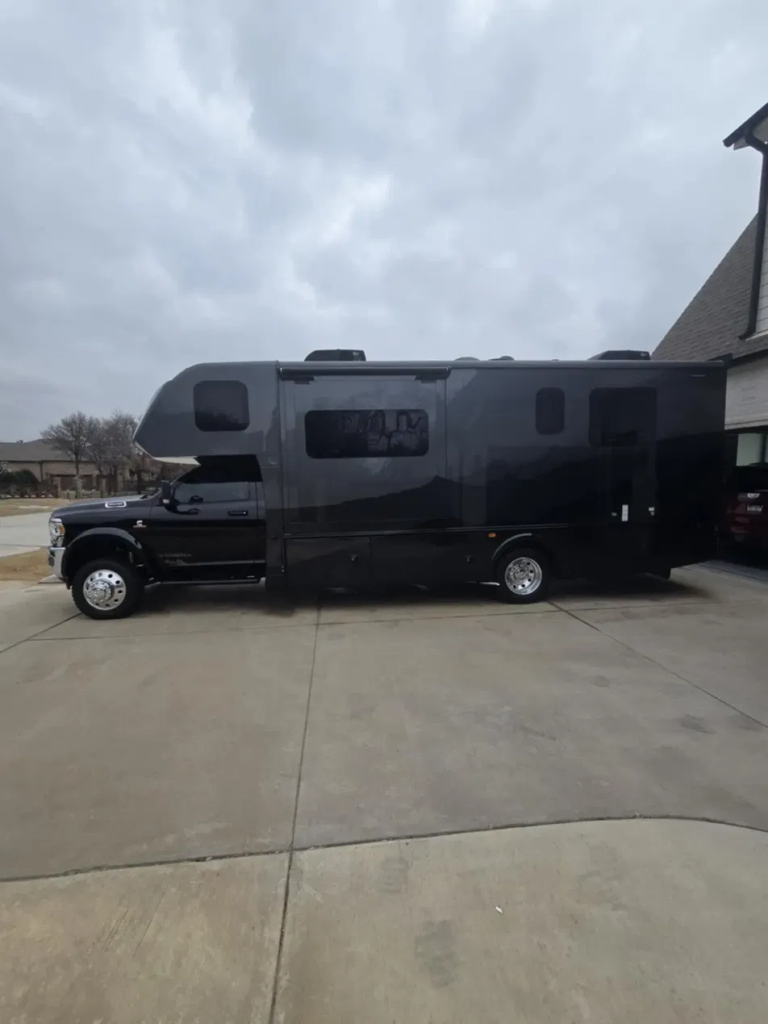
Detailing vs. a Basic Wash for an RV
The same core distinction that applies to passenger vehicles applies here too: a basic wash addresses surface-level dirt, while detailing goes further, addressing embedded contamination and providing a more thorough result across the vehicle’s full exterior (and interior, depending on the service scope). The difference tends to be even more pronounced at RV scale, simply because there’s more surface area for contamination to build up on, and more time between services for that buildup to become genuinely stubborn rather than easily rinsed away. For a full breakdown of that general distinction, see what auto detailing actually covers, which explains the underlying difference in more depth even though it’s written primarily with passenger vehicles in mind — the core principles carry over directly to a larger vehicle.
Building a Reasonable RV Maintenance Rhythm
Rather than committing to a fixed schedule that doesn’t reflect how you actually use your RV, it’s more useful to think through your own specific pattern: how much of the year does it spend in storage versus active use, is that storage covered or fully exposed to the elements, and how much travel-related grime does a typical trip actually generate? Answering those questions honestly tends to produce a far more useful maintenance rhythm than applying a generic passenger-vehicle interval to a vehicle that faces a genuinely different set of conditions.
It’s also worth revisiting that assessment periodically rather than setting it once and forgetting about it. A travel pattern that shifts — more trips one year, an extended storage stretch the next — genuinely changes what a reasonable maintenance rhythm looks like, and treating your RV’s care schedule as something that adapts to actual use tends to work better over the long run than locking in a single fixed plan and sticking to it regardless of how your travel habits actually evolve from season to season.
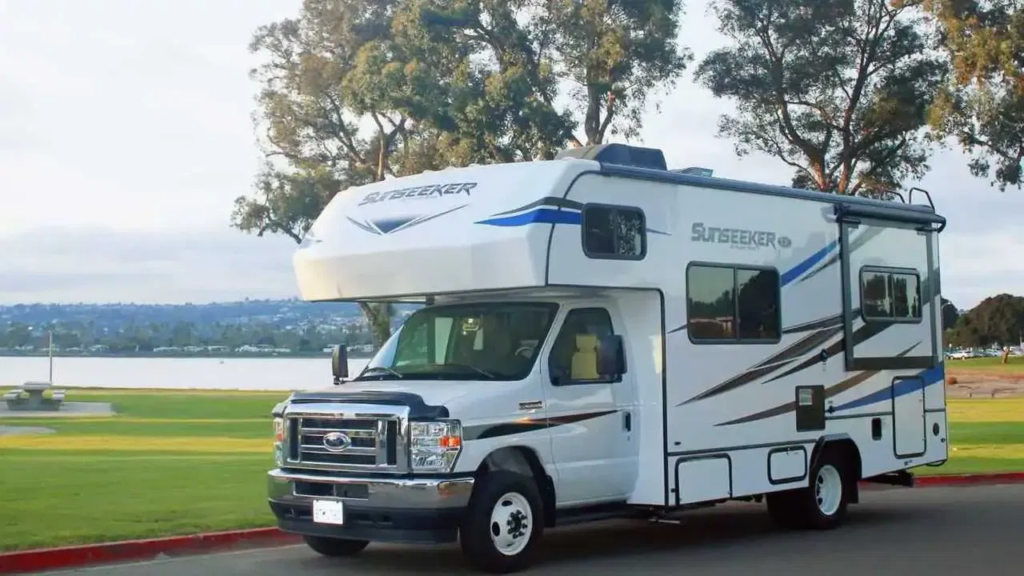
Frequently Asked Questions
How often should an RV be professionally detailed?
It depends on storage conditions and travel frequency rather than a fixed interval. An RV in long-term outdoor storage may need periodic exterior attention even without travel, while a seasonally used RV typically benefits from attention both before and after its travel season.
Does RV storage affect how often it needs detailing?
Yes. Extended outdoor storage exposes an RV to sustained sun, dust, and weather regardless of whether it’s being driven, which can create a real maintenance need even during periods when the vehicle isn’t actually being used.
Is mobile RV detailing worth it compared to doing it yourself?
For many owners, yes, largely because of the scale involved. An RV’s exterior surface area, combined with the equipment needed to properly reach and clean the whole vehicle, makes professional service a meaningful time and effort saver compared to a full DIY approach.
Should an RV be detailed before or after a travel season?
Both, ideally. Attention before a travel season addresses whatever accumulated during storage, and attention afterward addresses road exposure and travel-related grime before the RV goes back into storage.
Is RV detailing different from car detailing?
The core principles are similar — addressing contamination beyond what a basic wash covers — but the scale and storage-related considerations for an RV are genuinely different from what a typical passenger vehicle faces.
How does Arlington/Mansfield’s climate affect RV maintenance?
Sustained summer heat and sun exposure affect an RV’s exterior surfaces continuously during outdoor storage, which can accelerate wear compared to a milder climate, especially across the roof and other consistently sun-exposed surfaces.
Can covered RV storage reduce detailing frequency?
It can help, since it reduces direct sun and rain exposure, but it doesn’t eliminate the need for periodic attention — dust and general settling still occur even in covered or indoor storage situations.