
There is no single detailing interval that fits every single vehicle. How often professional detailing makes sense depends on how frequently the vehicle is driven, where it’s parked, how the interior gets used, and how well it’s maintained between appointments. A daily commuter parked outside in Arlington or Mansfield sun genuinely needs attention on a different schedule than a weekend car kept safely in a garage.
This guide walks through the real, practical factors that should drive that decision, rather than handing you a generic rule that ignores how your specific vehicle actually gets used, stored, and driven day to day.
What Auto Detailing Actually Covers
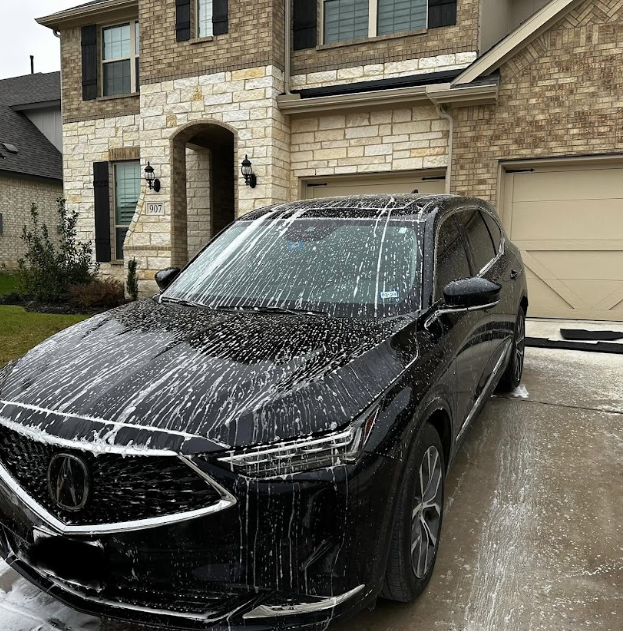
Auto detailing is a systematic, multi-step process that restores a vehicle’s interior and exterior condition — not just a clean surface, but genuine protection and maintenance at a level a standard car wash doesn’t reach. On the exterior, that typically means decontamination (removing embedded tar, iron fallout, and general road grime), a thorough wash, wax or sealant application, and wheel and tire care. On the interior, it means full vacuuming of all surfaces and crevices, cleaning of plastic, rubber, and vinyl surfaces, and leather conditioning where applicable.
It’s worth being clear about one distinction up front, since it comes up constantly with new customers: detailing addresses dirt, contamination, and surface-level wear. It does not include the machine-polishing work that removes deeper paint defects like swirl marks and scratches — that’s paint correction, a separate, more involved service that works on the clear coat itself rather than what’s sitting on top of it. A vehicle can be regularly detailed and still show paint defects that only correction would address, and understanding that distinction upfront helps set the right expectations for what a given service will actually accomplish.
Different packages exist specifically because “detailing” isn’t a single fixed scope of work. A lighter, faster service handles routine maintenance for a vehicle that’s already in reasonably good shape, while a more comprehensive service — closer to a full interior and exterior deep clean — makes sense for a vehicle that’s gone longer without attention, has heavier staining, or needs more thorough treatment of both surfaces. Matching the right tier to your vehicle’s actual condition, rather than defaulting to the same package every time, tends to produce better value over the course of a year of ownership.
Why There’s No Universal Detailing Schedule
Guides that hand out a single fixed interval are guessing, because they can’t account for the two biggest variables: how much the vehicle is actually exposed to contamination, and how it’s cared for between professional visits. A vehicle washed regularly at home between details needs less catch-up work than one that goes months without attention. Treating detailing as a response to actual condition, rather than a fixed calendar event, tends to produce better results than following a generic “every few months” rule — and it usually costs less over time too, since you’re not paying for a full deep clean on a vehicle that only needed light maintenance.
Daily Driving and Interior Use
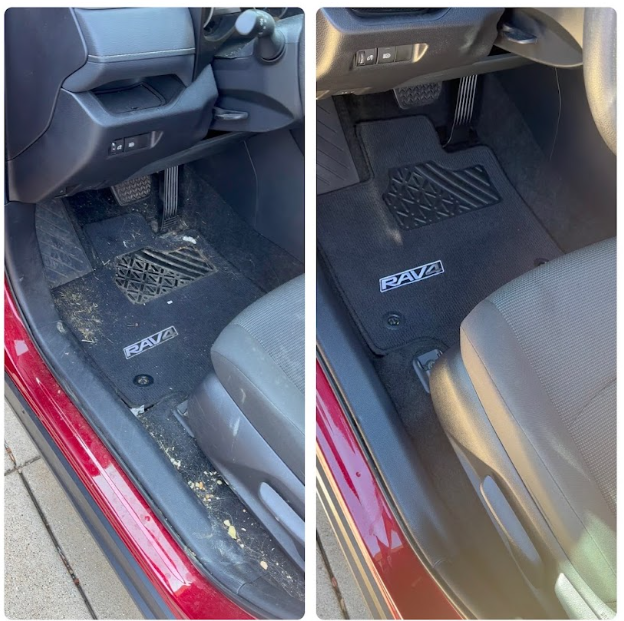
A daily driver accumulates road grime, brake dust, and general wear simply by being used every single day — that’s baseline exposure regardless of climate or season. Interior wear follows its own separate timeline: frequent use, regular passengers, and daily-use residue build up interior grime independent of how clean the exterior looks. A vehicle that looks fine on the outside can still have interior surfaces that genuinely need attention, which is worth remembering when deciding whether a vehicle actually needs service or just looks like it doesn’t.
Family vehicles add yet another layer to this equation entirely. Kids, pets, food, and general daily life tend to accelerate interior wear well beyond what a single-owner commuter vehicle typically sees. That doesn’t mean a family vehicle needs constant attention, but it does mean interior condition is worth checking on its own terms rather than assuming it tracks with how clean the exterior looks after a wash.
Outdoor Parking and Arlington/Mansfield Heat
Outdoor-parked vehicles deal with sun, dust, tree sap, and bird droppings that garage-kept vehicles largely avoid. This matters more in Arlington and Mansfield specifically than it might elsewhere — summer temperatures here regularly exceed 100°F, and that kind of sustained heat accelerates both exterior paint wear and interior plastic and vinyl degradation if those surfaces aren’t protected and maintained. UV exposure at that intensity isn’t just a cosmetic concern; it’s a real driver of cracking, fading, and premature material wear on interior surfaces specifically, which is part of why interior UV protection treatments exist as their own category rather than an afterthought. An outdoor-parked daily driver in this climate can accumulate a real layer of grime within a couple of weeks that a garage-kept vehicle might not see for a month or more.

Vehicle Situation and Detailing Frequency Considerations
| Vehicle Situation | Detailing Frequency Consideration | Why |
|---|---|---|
| Daily commuter | More frequent attention tends to make sense | Consistent road exposure and interior use accumulate contamination steadily |
| Outdoor-parked vehicle | More frequent exterior attention tends to help | Arlington/Mansfield sun and heat accelerate contamination and material wear |
| Garage-kept vehicle | Less frequent attention may be sufficient | Reduced environmental exposure slows contamination buildup |
| Family vehicle | More frequent interior attention often helps | Regular passengers and daily use accelerate interior wear |
| Weekend vehicle | Attention based on actual use, not mileage alone | Low mileage doesn’t eliminate exposure if the vehicle sits outside for long stretches |
| Ceramic coated vehicle | Regular washing still needed, but maintenance may be easier | Coating helps with cleanup, but doesn’t eliminate the need for attention |
These are general patterns, not fixed rules — the right interval depends on combining these factors realistically for your specific vehicle.
Matching the Service Level to Actual Condition
Not every appointment needs to be a full deep-clean. Safari’s own package structure reflects this directly: a lighter maintenance-focused service (an Express-style package) works well for a vehicle that’s already in reasonably good condition, while a more comprehensive service (moving up toward the Premium tier) makes sense for a vehicle that’s gone longer without attention or is dealing with heavier stains, odors, or interior buildup. There’s also a place for narrower, single-focus services — an interior-only package for a vehicle whose exterior is holding up fine but whose cabin needs real attention, or an exterior-only package for the reverse situation. Matching the service level to actual condition avoids paying for more than you need while still getting a genuinely thorough result where it actually matters.
Signs It May Be Time for Professional Attention
A few practical signs are worth watching for: the paint feels rough or gritty after a home wash (a sign of embedded contamination that a simple rinse won’t remove), interior surfaces haven’t had real attention in months, persistent odors remain after basic cleaning, or you’re preparing the vehicle for a protection service like ceramic coating. None of these mean panic is warranted — they’re just useful, practical triggers for scheduling a service rather than guessing at a calendar date that has nothing to do with your vehicle’s actual, real-world condition.
Does a Ceramic Coated Vehicle Still Need Detailing?
Yes. Ceramic coating changes how the exterior surface behaves — water beads and sheets off more readily, and light contamination rinses away more easily — but it doesn’t eliminate the need for regular washing and periodic detailing. A coated vehicle that never gets professional attention still accumulates dust, pollen, and grime; the coating just makes that buildup somewhat easier to remove once you actually get around to it, rather than removing the need to get around to it at all.
Why Mobile Detailing Fits Regular Maintenance Better Than a Shop Visit
One of the practical barriers to keeping a consistent detailing rhythm is simply finding time to drop a vehicle off and pick it up again around a full workday. Mobile detailing removes that friction by bringing the same professional service to your home or workplace, which makes it considerably easier to actually stick to a regular maintenance schedule rather than letting it slip for months at a time because a shop visit never quite fit into the week.
Building a Realistic Maintenance Schedule
Rather than committing to a fixed interval upfront, it’s more useful to check in periodically: does the exterior still bead water and rinse easily, or does it feel like grime is building up and clinging tighter than it used to? Does the interior still look and smell fresh, or is it starting to show wear that a quick wipe-down doesn’t fix? Answering those questions honestly, every few weeks, tends to produce a more realistic and cost-effective maintenance rhythm than following someone else’s generic schedule that has no relationship to your specific vehicle, your specific driving pattern, or where it actually spends its time parked.
Frequently Asked Questions
How often should you professionally detail your car?
There’s no single interval that fits every vehicle. It depends on how often the vehicle is driven, where it’s parked, interior use, and how well it’s maintained between appointments. Daily drivers parked outdoors typically need more frequent attention than garage-kept vehicles driven occasionally.
How do I know when my car needs detailing?
Practical signs include paint that feels rough or gritty after washing, interior surfaces that haven’t had attention in months, or visible buildup of dust, sap, or grime. These are more useful indicators than a fixed calendar interval.
Does outdoor parking mean I should detail my car more often?
Generally, yes. Outdoor-parked vehicles accumulate sun exposure, dust, and organic contamination faster than garage-kept vehicles, especially in Arlington and Mansfield’s hot summer climate, which tends to shorten the reasonable interval between services.
Does a Ceramic Coated car still need detailing?
Yes. Coating changes how the surface behaves and can make cleanup easier, but it doesn’t eliminate the need for regular washing and periodic detailing. A coated vehicle still accumulates dust, pollen, and grime over time.
Is mobile detailing suitable for regular maintenance?
Yes, and it’s often a better fit than a shop visit specifically because it removes the scheduling friction of dropping off and picking up a vehicle, which makes it easier to actually maintain a consistent detailing rhythm.
How often should a daily driver be detailed?
More frequently than an occasional-use vehicle, generally, since daily driving and regular outdoor parking accumulate contamination steadily. The exact interval still depends on your specific exposure and how the vehicle is maintained between visits.
Is professional detailing different from washing a car?
Yes. A standard wash removes loose surface dirt. Professional detailing goes further, addressing embedded contamination, interior surfaces, and protective treatments that a wash alone doesn’t cover.