
It can be genuinely worth it for owners who want easier maintenance, better gloss retention, and real resistance to certain environmental contamination — but it does not eliminate washing, and it does not protect against rock chips. Whether it’s worth it for your specific vehicle depends more on how you actually drive and park than on a generic list of benefits that would apply the same way to every owner, regardless of their particular situation.
This guide walks through what ceramic coating genuinely delivers, what it doesn’t, and how Safari’s actual tier structure is built, so you can make a decision grounded in real information rather than marketing language alone.
What Ceramic Coating Actually Is
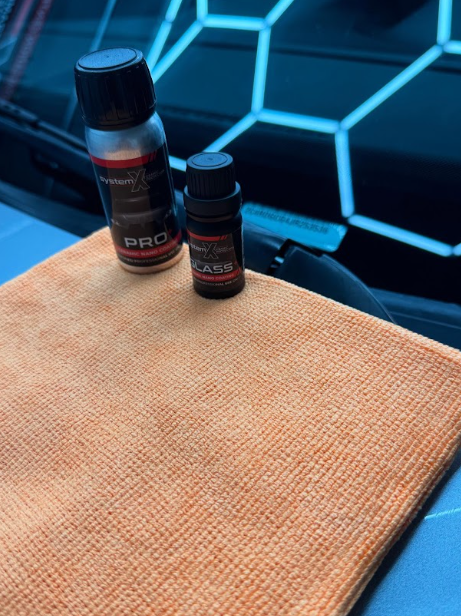
Ceramic coating is an advanced liquid polymer that chemically bonds with your vehicle’s paint to form a durable protective shield. It contains tiny particles that create a protective layer against UV rays and environmental damage, and it makes the painted surface slippery enough that water and dirt slide off far more easily than they would on unprotected paint or a traditional wax layer. This coating technology is genuinely different from wax in a meaningful, practical way — wax sits on top of the paint and breaks down within weeks of regular washing and sun exposure, while a properly applied ceramic coating chemically bonds to the surface itself and holds up for years rather than weeks.
That bonding process is really the core of why coating outperforms wax for most owners. Because it’s chemically attached to the clear coat rather than sitting as a separate layer on top, it doesn’t wash away the way wax eventually does, and it doesn’t need reapplication every few weeks just to keep delivering the same level of protection and shine.
The Real Benefits, Explained Honestly
Long-lasting protection. A properly applied ceramic coating provides a durable layer that protects the vehicle for years rather than weeks, which is the core advantage over traditional wax or sealants. How long depends heavily on which tier you choose and how well the vehicle is maintained afterward — this isn’t a fixed, one-size-fits-all number, and it’s worth being skeptical of any claim that suggests otherwise regardless of which provider is making it.
Hydrophobic properties. The coating creates a genuinely water-repellent surface, making routine washing faster because water, dirt, and grime slide off rather than clinging tightly to the surface the way they would on bare paint. This is one of the most consistently noticeable benefits owners report, and it holds up well across different coating tiers rather than being reserved only for the most expensive option.
Chemical resistance. Ceramic coatings resist a range of contaminants that would otherwise sit directly against unprotected paint — bird droppings, tree sap, acid rain, and general industrial fallout all count as things the coating helps the surface shed more easily, reducing the chance of etching if you don’t get to a wash immediately after noticing the contamination.
UV protection. The coating helps protect paint from UV-related oxidation and fading, which matters considerably in Arlington and Mansfield specifically, given how intense and sustained the sun exposure is here during the summer months, when temperatures regularly climb past 100°F for extended stretches.
What Ceramic Coating Does Not Do
This is worth being just as direct about as the benefits. Ceramic coating does not stop rock chips — it’s a thin, bonded chemical layer, not a physical barrier with the thickness to absorb an impact. A rock kicked up on the highway reaches the paint the same way whether or not the surface is coated, and no amount of marketing language changes that basic physical reality. It also doesn’t eliminate the need for washing; contamination still lands on a coated surface, it’s just easier to remove once it’s there. And no coating tier, regardless of duration or warranty length, makes a vehicle maintenance-free — regular care is still part of the equation no matter which option you choose.
Safari’s Real Coating Tiers, Explained
Rather than a single generic coating product, Safari offers three tiers built around different levels of durability, each named after a specific product formulation:
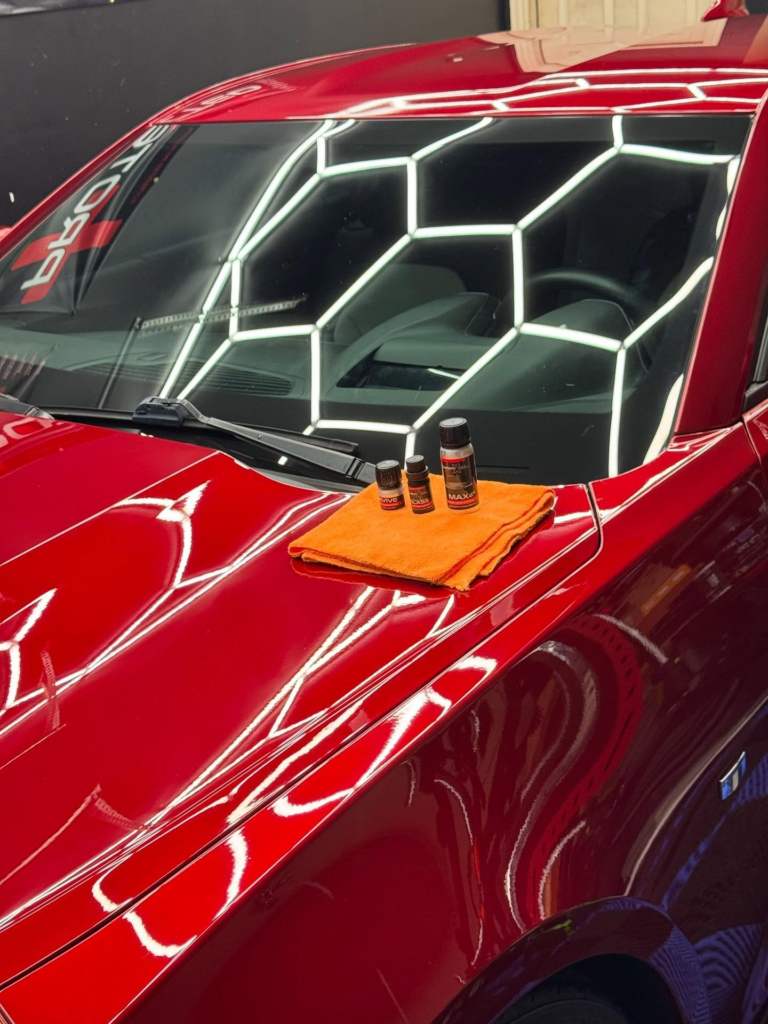
- 2-3 Year (System X Crystal): The entry tier, providing genuine hydrophobic protection, gloss enhancement, and chemical resistance for a shorter duration than the higher tiers. This is a reasonable starting point for owners who want real protection without committing to the higher upfront cost of a longer-duration product.
- 6-Year (System X Pro): A meaningfully longer-duration option that comes with a manufacturer warranty — specifically a 6-year warranty that requires annual inspections to remain valid. This tier sits in the middle of the lineup, offering more durability than the entry tier without the full commitment of the top-tier product.
- 10+ Year (System X Max): The top tier, which comes with a lifetime warranty, also requiring annual inspections to stay in effect. This is the option built for owners who want the longest possible protection window and are willing to keep up with the inspection requirement to preserve that warranty over time.
That warranty detail is genuinely important and easy to miss: the longer warranties on the 6-Year and 10+ Year tiers aren’t automatic or unconditional for their full stated duration. They require annual inspection to remain valid, which means the warranty is tied to ongoing verification, not just the initial installation appointment. Skipping that annual check could mean losing warranty coverage even if the coating itself is still performing reasonably well on its own.
A Note on Coating Duration Claims
You may see general claims elsewhere — including some general industry language — suggesting ceramic coatings typically last “two to five years.” That’s a reasonable rough average across the coating industry broadly, but it doesn’t reflect the actual range Safari’s specific tiers offer, which extends from 2-3 years up through a lifetime warranty on the top tier. This is worth calling out directly, since it’s the kind of generic figure that gets repeated across the industry without much scrutiny, even when a specific provider’s actual product lineup tells a more precise and more useful story. When comparing options, it’s worth looking at the specific tier names and their actual associated warranty terms rather than relying on a generic industry-wide estimate that doesn’t map onto any particular product you’d actually be purchasing.
Ownership Scenarios and Whether Coating Makes Sense
| Ownership Scenario | Ceramic Coating Consideration | Why |
|---|---|---|
| Outdoor daily driver in Arlington/Mansfield heat | Strong candidate | Consistent sun, contamination, and washing frequency make the easier-maintenance benefit most relevant |
| Garage-kept enthusiast vehicle | Still beneficial, less urgent | Lower day-to-day exposure means the case is less pressing, but gloss and protection benefits still apply |
| New vehicle | Worth considering early | Protects the original finish before wear accumulates |
| High-mileage commuter concerned about rock chips | Coating alone doesn’t address this specific concern | Rock-chip protection requires a physical barrier product, not a surface coating |
| Owner wanting the longest possible warranty coverage | 10+ Year tier, with annual inspections maintained | The lifetime warranty only stays valid with consistent annual verification |
| Owner focused primarily on easier washing | Strong candidate at any tier | Hydrophobic behavior is present across all three tiers, not just the higher ones |
When Regular Detailing Alone May Be Enough
Not every vehicle needs ceramic coating to be well cared for. An owner who details regularly, doesn’t mind the maintenance routine, and isn’t especially focused on gloss retention may reasonably decide coating isn’t worth the investment for their particular situation. That’s a legitimate conclusion, not a lesser one — coating solves a specific set of problems, and if those problems aren’t genuinely bothering you, regular detailing on its own covers routine care just fine, even in a demanding climate like Arlington and Mansfield’s.
It’s also worth being honest that coating is a meaningful upfront investment, and the return on that investment depends on how long you plan to keep the vehicle. An owner planning to sell or trade in within a year or two may get less practical value out of a longer-duration tier than an owner planning to keep the vehicle for the long haul, simply because there’s less time for the coating’s benefits to actually pay off across regular use.
Paint Condition Still Matters Before Coating
Regardless of which tier you’re considering, paint condition affects the process and the outcome in a way that’s easy to overlook when comparing coating options purely on duration and price. We cover this in detail in our guide to paint correction before ceramic coating, including a real detail from Safari’s own package structure that’s worth understanding before you commit to a specific tier or make a final decision.
For the fuller picture of coating benefits beyond this specific decision-focused breakdown, see the real benefits of ceramic coating, which goes into more depth on the day-to-day experience of owning a coated vehicle.
Frequently Asked Questions
Is ceramic coating worth it?
For most owners who wash their own vehicle regularly and deal with real sun and contamination exposure, yes — the easier maintenance and gloss retention tend to justify it. It matters less for vehicles rarely driven or kept in a fully enclosed garage.
How long does ceramic coating actually last?
It depends on the specific tier. Safari’s coating tiers range from 2-3 years up through a 6-year warrantied option and a lifetime-warrantied top tier, rather than a single fixed duration across all products.
Does ceramic coating protect against rock chips?
No. Ceramic coating is a thin, bonded chemical layer, not a physical barrier with the thickness to absorb an impact. Rock-chip protection requires a different kind of product entirely.
Does ceramic coating eliminate the need to wash your car?
No. Coating makes washing easier by helping water, dirt, and grime slide off more readily, but the vehicle still needs regular washing to stay looking its best and to get full value from the coating.
Do longer ceramic coating warranties have requirements?
Yes. Safari’s 6-Year and 10+ Year tiers come with manufacturer warranties that require annual inspections to remain valid — the warranty isn’t automatic or unconditional for the full duration.
Is ceramic coating better than wax?
For most owners, yes, in terms of durability and reduced maintenance effort. Wax sits on top of the paint and breaks down within weeks, while ceramic coating bonds to the surface and holds up for years depending on the tier chosen.
Should a new car be ceramic coated?
Many owners choose to coat a new vehicle specifically to protect the original finish before it accumulates wear, contamination, or sun damage. It’s a proactive choice rather than a required one.