
Texas summers are hard on vehicles, and it’s not just the discomfort of a hot steering wheel. Sustained heat and UV exposure affect both the outside and inside of your vehicle in ways that build up gradually, often without drivers noticing until the damage is visible. If you’re keeping a vehicle in Arlington or Mansfield through another Texas summer, here’s what’s actually happening to it, and what you can do to protect it.
How Heat and UV Actually Affect Your Vehicle
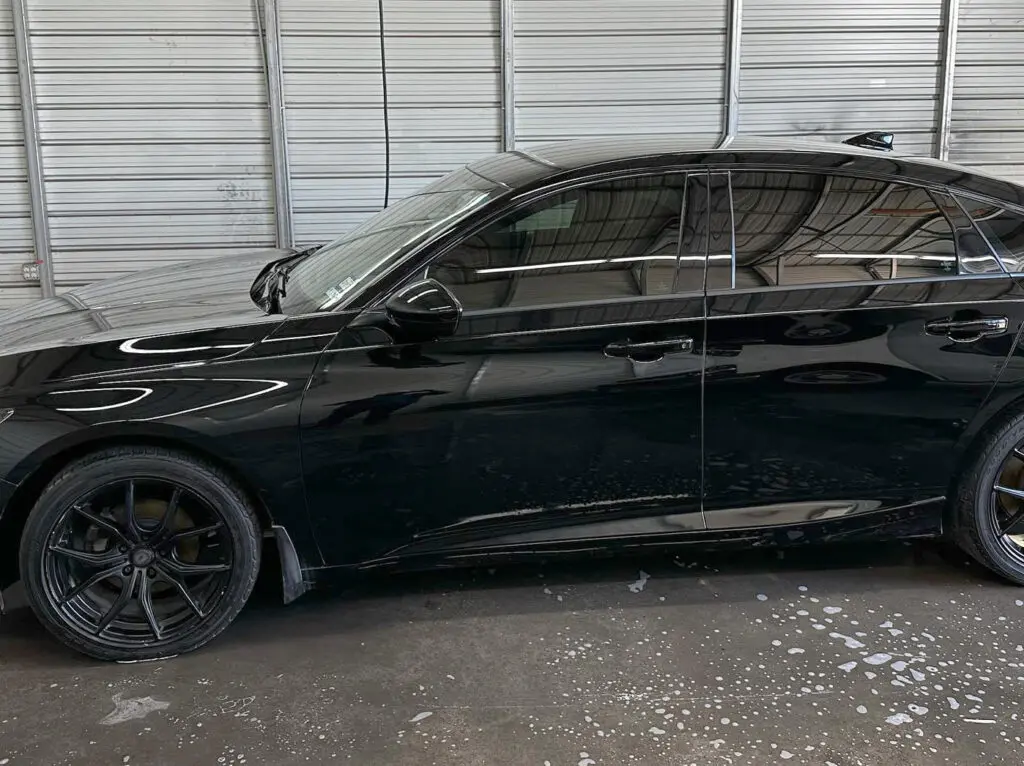
Exterior paint is exposed to direct UV radiation every time your vehicle is outside, and that exposure adds up over months and years. UV rays can contribute to paint fading and oxidation — a dulling, chalky look that develops on the clear coat over time. Combined with Texas’s intense summer sun, paint that isn’t regularly cared for tends to show this wear sooner than paint that’s washed, protected, and maintained consistently.
Interior materials take arguably the bigger hit. A closed vehicle sitting in direct sun becomes a greenhouse — interior temperatures climb well above the outside air temperature. Dashboards, seats, and trim made of vinyl, leather, or certain plastics are prone to fading, cracking, and warping under that kind of repeated heat and UV cycling.
Tires and rubber components age faster under prolonged heat exposure, which can affect the trim seals, wiper blades, and tires themselves over time. Tire sidewalls in particular can develop a brownish, dry-looking discoloration and fine surface cracking after repeated cycles of intense heat, which is a sign the rubber is aging faster than it would in milder conditions.
Bug residue, tree sap, and bird droppings are a bigger problem in summer specifically because heat accelerates the chemical reaction between these contaminants and your paint. What might sit harmlessly for a day in cooler weather can start etching into paint much faster on a 100-degree afternoon.
Exterior Protection Strategies
The single most useful habit for protecting exterior paint through the summer is simply washing on a consistent schedule. Dust, pollen, and grime that sit on paint under direct sun can bake on and become harder to remove the longer they’re left, and some of that buildup is mildly abrasive, which matters if it gets rubbed around during a rushed wash.
A few specific priorities for summer exterior care:
- Remove bug residue, tree sap, and bird droppings as soon as reasonably possible: Heat speeds up how quickly these substances can affect paint, so a same-day or next-day removal habit matters more in summer than in cooler months.
- Wash in the shade or during cooler parts of the day when possible: Washing a hot vehicle in direct sun can cause soap and water to dry too quickly, leaving spots and streaks.
- Consider added paint protection: Wax, sealants, and ceramic coating all offer some level of added defense against UV exposure and oxidation, with coating generally providing the most durable, longest-lasting layer of the three. If you’re looking at longer-term protection for your paint, Ceramic Coating is worth considering as part of your summer plan.
- Park strategically when you can: Shade, a garage, or even a reflective windshield sunshade all reduce the total heat and UV load your vehicle absorbs during the day.
Interior Protection Strategies
Interior surfaces need their own attention, since exterior paint care doesn’t touch what’s happening inside the cabin:
- Use a windshield sunshade: This is one of the simplest, most effective ways to reduce dashboard heat buildup and the UV exposure that contributes to cracking and fading.
- Apply interior UV-protectant products to the dashboard and trim on a regular basis, following product instructions. These help reduce the drying-out effect that leads to cracking over time.
- Crack windows slightly when parked, only if it’s safe and appropriate for your situation: This can help reduce interior temperature buildup, though it should never compromise security or safety.
- Keep leather and vinyl seats conditioned: Untreated leather in particular is prone to drying and cracking under repeated heat exposure.
- Watch for warping in interior plastics, especially in trim pieces near the dashboard or center console, which tend to show heat-related wear before other interior components.
Convertible Tops, Soft Trim, and Leather-Specific Considerations
Vehicles with convertible or soft tops, or with leather-heavy interiors, tend to show heat-related wear faster than vehicles without those materials. Fabric convertible tops can fade and become brittle under prolonged UV exposure, and leather seating surfaces are especially prone to drying, cracking, and color fading when repeatedly exposed to high heat without conditioning.
If your vehicle falls into either category, a few extra precautions are worth the effort: keep leather conditioned on a regular schedule rather than only when it already looks dry, park under cover whenever it’s a realistic option, and treat a convertible top with a UV-protectant product designed for the specific top material.
Windshields, Glass, and Wiper Blades
Glass itself holds up well under heat, but the components around it don’t always. Wiper blade rubber dries out and cracks faster in sustained heat, which is why blades that worked fine in spring sometimes streak or chatter by late summer. It’s worth checking wiper condition periodically through the hottest months rather than waiting for the first heavy rain to find out they’ve degraded.
Garage Access and Parking Reality
Not everyone has consistent access to covered or shaded parking, and that’s a realistic constraint, not a failure of care. If covered parking isn’t available at home or work, the practical adjustments are the ones already covered here: a windshield sunshade every time the vehicle is parked outside, prompt removal of bug and sap residue, and a consistent washing and interior-care routine that compensates for the extra exposure. Vehicles without reliable shade simply benefit more from consistency in these habits, since there’s less passive protection working in their favor.
Appearance, Condition, and Long-Term Value
Heat and UV wear affect more than day-to-day appearance. A vehicle with faded paint, a cracked dashboard, or heavily worn interior trim tends to look older than its actual age or mileage would suggest, which can factor into how it’s perceived down the line, whether that’s a trade-in, a private sale, or simply how the vehicle feels to drive every day. None of this means damage is inevitable — it means the small, consistent habits covered here have a cumulative effect worth taking seriously.
Tire and Trim Care in Summer Heat
Heat affects your tires’ internal pressure and the wear rate of the rubber itself, so it’s worth keeping an eye on tire condition and pressure through the hottest months. Rubber seals around doors, windows, and the trunk can also dry out faster in sustained heat, which is worth checking periodically for cracking or wear.
Interior Air and Odor in Summer Heat
Heat has a way of intensifying whatever’s already in your cabin. Spilled drinks, food residue, or moisture trapped in carpets and upholstery tend to produce noticeably stronger odors once a vehicle has spent a summer afternoon closed up in direct sun. This is another area where a thorough interior detail makes a real difference — addressing the source of an odor rather than masking it with an air freshener, which only covers the smell temporarily.
If you’ve noticed your vehicle smells different once the weather turns hot, it’s usually a sign that something in the interior needs actual cleaning rather than a scent product.
A Simple Seasonal Checklist
Pulling the guidance above into one quick reference for the season:
- Wash regularly, ideally in shade or cooler parts of the day, and remove bug, sap, and dropping residue promptly.
- Use a windshield sunshade every time the vehicle is parked outside for an extended period.
- Apply interior UV-protectant and leather conditioner on a regular schedule, not just when materials already look dry.
- Check tire pressure and rubber seals periodically, since heat affects both.
- Check wiper blade condition before you need them for the first summer storm.
- Schedule a full interior and exterior detail on a cadence that matches how much sun and road exposure your vehicle actually gets.
Building a Summer Maintenance Routine
None of this requires an elaborate system — it’s mostly about consistency. A vehicle that gets washed regularly, has its interior wiped down and conditioned periodically, and gets a real detailing appointment on a reasonable cadence will hold up noticeably better through a Texas summer than one that only gets attention when it looks obviously dirty.
If you’re not sure how often that should be for your specific driving habits, we’ve laid out practical guidance in How Often You Should Detail Your Car, which applies just as much in summer as any other season — arguably more, given how much faster contaminants and heat-related wear can build up.
When It’s Time for Professional Attention
Some signs that your vehicle would benefit from a professional detailing appointment by Safari Mobile Detailing rather than routine at-home care:
- Paint looks dull or chalky rather than glossy, even after washing.
- Interior surfaces feel dry, brittle, or show early cracking.
- Bug, sap, or bird-dropping residue has been sitting long enough that it doesn’t come off with a normal wash.
- It’s been a while since the vehicle had a full interior and exterior detail.
A professional detail can address buildup and wear that routine at-home care doesn’t fully resolve, and it’s also the right time to talk about whether additional protection, like ceramic coating, makes sense for how you use and store your vehicle.
Frequently Overlooked Areas in Summer
A few spots tend to get missed in a typical at-home routine, but they’re worth a periodic check during the hottest months: the trunk liner and cargo area, which can trap heat and moisture; the headliner, which can discolor or sag under prolonged heat exposure combined with humidity; and the area around the sunroof seal, if your vehicle has one, since rubber seals there are subject to the same heat-related drying as door and window seals. None of these need daily attention, but they’re easy to forget entirely, which is often when small issues turn into bigger ones.
Final Thoughts & Next Steps
Texas heat and UV exposure don’t cause damage overnight, but they add up steadily across every summer your vehicle spends on the road, and the effects rarely announce themselves until they’re already visible. A consistent washing routine, some simple interior protection habits, and periodic professional attention go a long way toward keeping both the outside and inside of your vehicle in good shape through the season, without requiring an elaborate or expensive setup to get there.
If your vehicle could use some real attention before or during another Texas summer, Safari Mobile Detailing comes to your home or workplace in Arlington or Mansfield, TX. Call 682-276-9579 or visit our Auto Detailing Service Page to schedule a detail and get started.
Frequently Asked Questions
1. Can Texas heat actually damage my car’s paint, or is it just the interior that’s affected?
Both are affected. Interior materials tend to show more dramatic damage (cracking, fading) because of how much hotter a closed cabin gets, but exterior paint is also subject to UV-related fading and oxidation over time.
2. Does tinting my windows help protect the interior from heat and UV?
Window tint can help reduce UV exposure and heat buildup inside the cabin. Local regulations govern how dark tint can legally be, so it’s worth checking current requirements before making changes.
3. How often should I use an interior protectant on my dashboard?
This depends on the product and how much sun exposure your vehicle gets, so it’s best to follow the specific product’s instructions. Regular, consistent use matters more than any single application.
4. Is a sunshade really worth using every day?
For a vehicle parked outside in direct sun regularly, yes — it’s one of the simplest, lowest-cost ways to reduce dashboard heat and UV exposure day to day.
5. Does ceramic coating help specifically with heat and UV, or just water beading?
Coating primarily creates a hydrophobic surface, but it also adds a layer of defense against UV-related oxidation on exterior paint. It’s not a substitute for regular washing and care, but it can be a useful part of a broader summer protection plan with Safari Mobile Detailing.